Let’s be real for a second. Unless you are reading this, you’re probably not looking for a flashy, thousand-dollar gadget to show off. You, or a friend of yours, simply wants to make the morning commute a little less. Maybe it’s the crowded bus that smells like yesterday’s lunch. Maybe it’s that fifteen-minute walk to the office that leaves you sweaty before you even start. Or perhaps you simply wish to drive around the neighborhood because it is fun.
That little burst of freedom can be an electric scooter under 300. However, the reality is that shopping with a limited budget may seem like a gamble. Will it fall apart? Will it perish on a hill? Will you ride like you are on a toy?
To cut through the noise, I’ve rounded up five of the best electric scooters under $300. These aren’t cheaply made throwaways. They are real rides that are affordable, perform well and are a bit of fun. Let’s roll.
1. GOTRAX GXL V2: The Reliable Starter
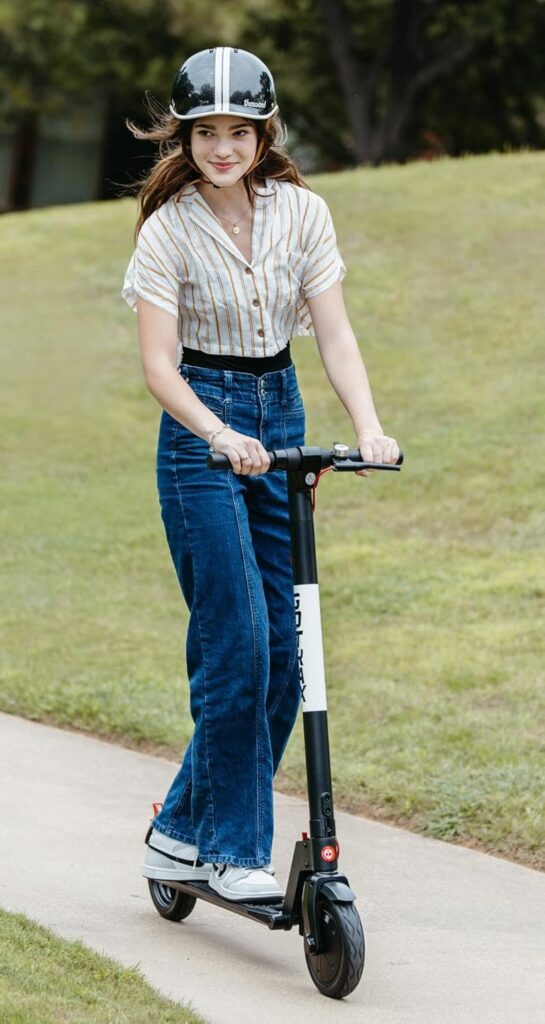
We will begin with the popular one. The GOTRAX GXL V2 is the scooter version of a pair of old jeans, nothing special, but it works. It has been a favorite among novices and casual commuters who need something easy without emptying their wallets.
It slides easily on urban roads courtesy of its air-filled tires and it can be folded in a short time to fit under a desk or up a flight of stairs. This is a good choice of an adult electric scooter under $300 and does not feel cheap.
Who is this for?
The novice or the everyday user who simply needs reliable, no-frills performance on inexpensive electric scooters. No surprises, it was a ride.
2. Gotrax APEX: The Flat-Tire Hater’s Best Friend
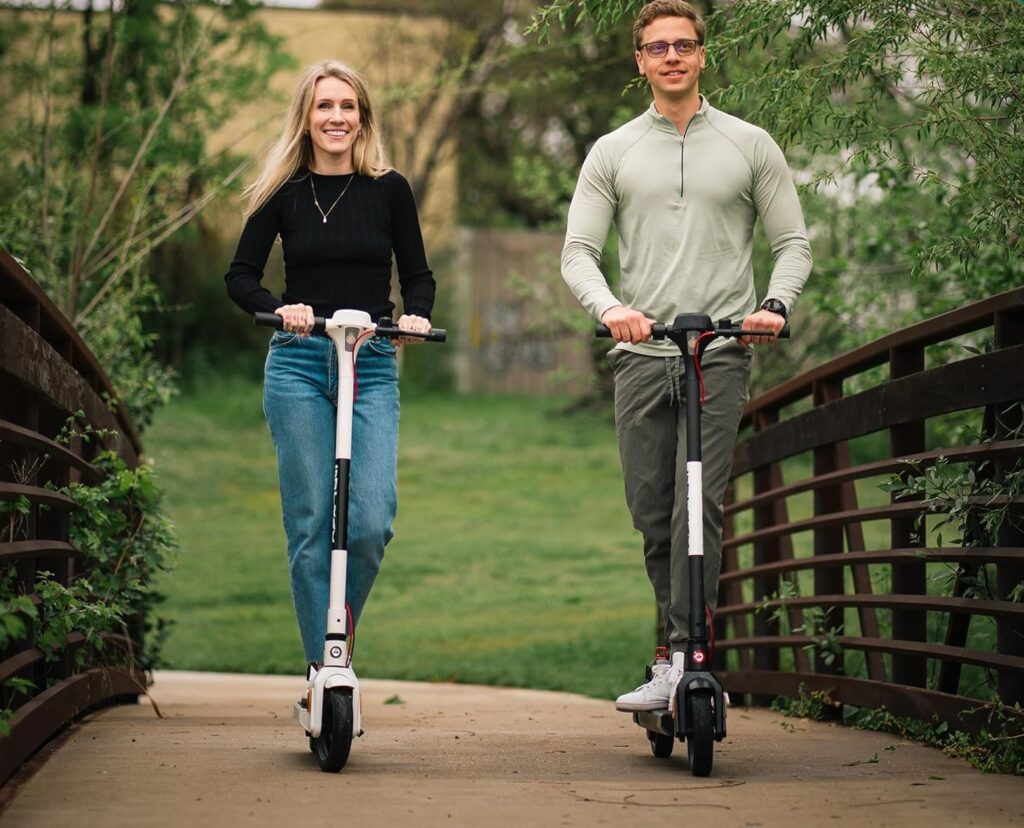
The next one is the Gotrax APEX – the slightly more fancy brother of the GXL V2. Equal price, but some quality-of-life improvements.
The best electric scooter under $300? The APEX is unique in that it has an LED display and solid tires. That is, no longer with flats. Simply get on and ride. It has a slightly longer range than the GXL V2 (approximately 15 miles), which is ideal when your commute is a bit longer.
Who is this for?
The rider who has been stung by pricks. The APEX is a good competitor in case you desire fewer maintenance headaches and a clean and reliable ride in the city.
3. Segway Ninebot E2 Plus II: The Smooth Operator
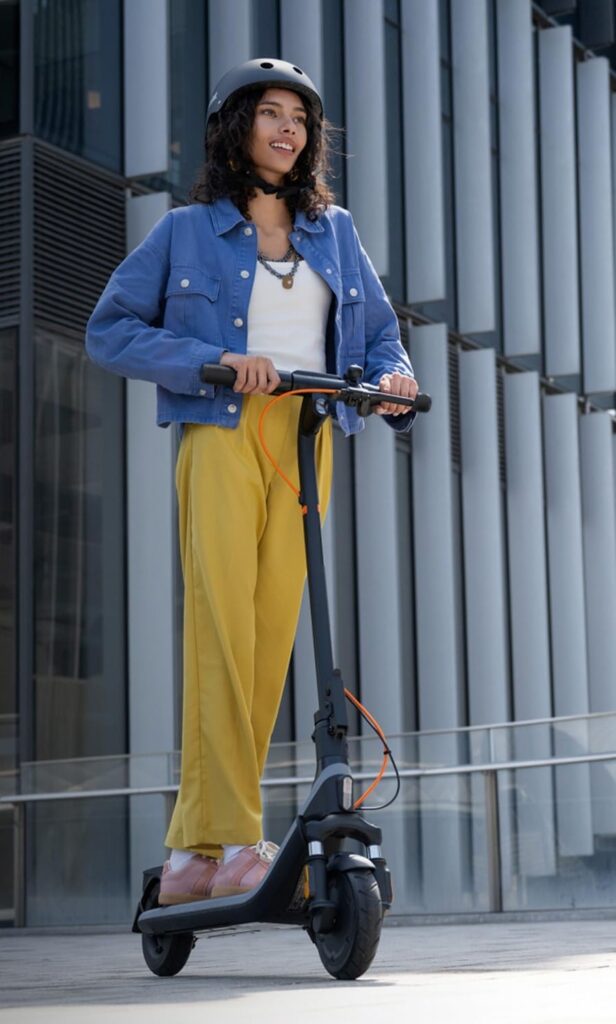
Segway is the first thing that comes to mind when you think of smooth, futuristic and, frankly, expensive. However, the Segway Ninebot E2 Plus II is the effort of Segway to enter the low-end scooter market, and frankly speaking? They nailed it.
Smooth design, vivid screen and strong range make this a dream of a commuter. It is a little more expensive than the Gotrax models, but it remains within the range of the $300 electric scooter. When you need a good name, a little style, and a ride that simply feels more refined, this one strikes the right chord.
Who is this for?
The urban rider who desires functionality and fashion. You are more concerned with the appearance of your scooter than its performance.
4. NAVIC T1XR-1 (With Seat and Basket): The Errand Runner
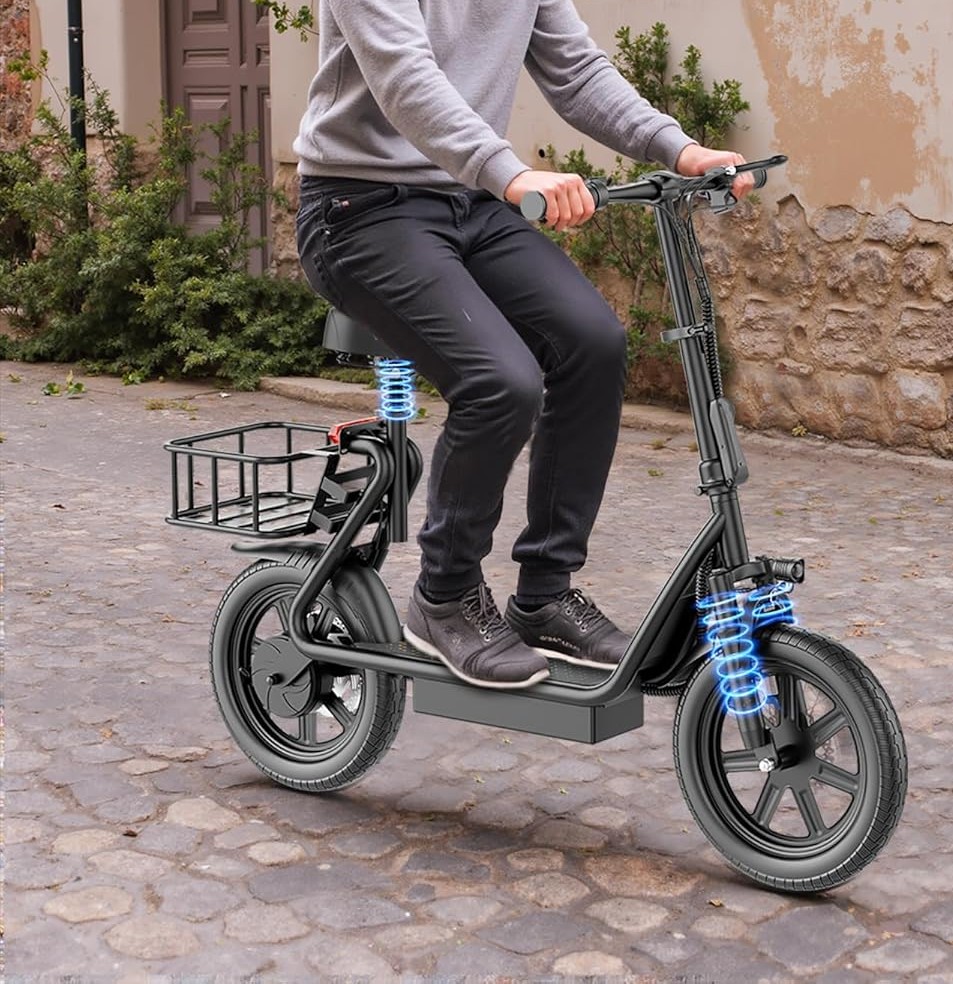
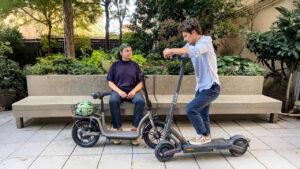
Okay, let’s shake things up. The NAVIC T1XR-1 is not your average scooter; it comes with a seat and a basket. Think of driving to the grocery store, shopping a little, and having a place to put it.
This electric scooter under 300 isn’t about flashy speed. It’s about comfort and practicality. The seat will help you to ride longer distances without straining your legs and the basket will ensure that you do not have to juggle shopping bags as you ride.
Who is this for?
The real-world rider who appreciates comfort over adrenaline. Ideal to run errands, take a leisurely ride around the neighborhood, or someone who prefers a more comfortable, seated ride.
5. Hiboy S2 Lite: The “Treat Yourself” Option

Ok, now, we should tell the truth about something. The Hiboy S2 Lite Electric Scooter is a little more than the $300 limit we have been maintaining. But listen to me, there are times when it only takes a little more to get a whole new level of performance. Imagine it as ordering a big pizza rather than a medium. That extra few dollars makes a difference.
The Hiboy S2 Lite $300 electric scooter is lightweight, smooth, and urban rider-friendly, combining style with substance. The acceleration is more punchy than most of the options within this price range, and the design is slim and foldable.
Who is this for?
The rider who has a small wiggle room in their budget. With a stretch, you get a better build quality, a more powerful engine, and a more upscale feel in general.
Comparing the Top Scooters Under $300
Here’s a quick comparison to help you see which one fits your life:
| Scooter Model | Top Speed | Range | Weight Capacity | Foldable | Tires | Best For |
| GOTRAX GXL V2 | 15.5 mph | 12 miles | 220 lbs | Yes | Pneumatic | Beginners, daily commutes |
| Gotrax APEX | 15.5 mph | 15 miles | 220 lbs | Yes | Solid (no flats) | Maintenance-free city riding |
| Segway Ninebot E2 Plus II | 15.5 mph | 15.5 miles | 198 lbs | Yes | Solid | Stylish, reliable commuting |
| NAVIC T1XR-1 | 15.5 mph | 15 miles | 220 lbs | Partial | Pneumatic | Errands, seated comfort |
| Hiboy S2 Lite | 13 mph | 10.6 miles | 180 lbs | Yes | Pneumatic | Premium feel on a near-budget |
The One Thing Nobody Tells You About Budget Scooters
Let me be straight with you for a minute. You have just read five glittering choices. You’re feeling good. You are fantasizing about riding down the street like a low-cost superhero.
But here’s the thing nobody tells you about the best scooter under 300: they come with trade-offs. Not deal-breakers. Just real-world compromises you should know before you click “buy.”
- The range is optimistic. That 12-mile range the manufacturer lists? On flat ground, with a 150-pound rider, on a 70-degree day, with the wind at your back. Put in a hill, or a heavier rider, or a cold morning, and you may see 8 miles. Nevertheless, it’s still good enough to commute. Only, do not go on a cross-town adventure without first checking your battery.
- Solid tires = no flats, but bumpier ride. The Gotrax APEX is equipped with solid tires, so you will never have to struggle with a puncture. Fantastic. But you’ll feel every crack in the sidewalk. Pneumatic tires (such as on the GXL V2) are smoother but may go flat. You have to pick your poison.
- Hill climbing? Manage expectations. These aren’t mountain goats. A gentle slope? No problem. That one across the railroad? You might be walking it. Motors of this price (typically 250W-300W) just lack the torque to propel steep slopes.
- Weight limits matter more than you think. The Hiboy S2 Lite can carry 180 lb. The Segway Ninebot? 198 lbs. It is not a recommendation, it is a strict rule. Go beyond it and you will find slower speeds, shorter range and possible long term damage. Here, be honest with yourself.
- Charging takes patience. The usual is four to six hours. You can not simply plug it in and go 20 minutes. This implies that you should have a regular charge at night or when you are at work. Forget, and you’re pushing a 30-pound paperweight home.
Here’s the good news though: With a $300 electric scooter, none of these are reasons not to buy one. They’re just reasons to buy with your eyes open. A scooter that can travel 8 miles in the real world and that costs you 300 dollars is a huge victory over bus fare or aching feet.
Frequently Asked Questions
- Are electric scooters under $300 actually reliable?
Yes. Surprisingly, many low-end scooters are capable of being used in daily commuting or recreational riding. They will not be high-end features such as suspension or giant batteries, but most of them are constructed with good safety and longevity in mind.
- How fast do these scooters go in the real world?
The majority of models below 300 mph have a top speed of 12-15 mph. It is enough to get to the city, school, or ride around the neighborhood. Only do not expect to win any races.
- Can they handle hills?
Scooters that are cheaper can handle gentle slopes, but do not anticipate high hill-climbing ability. On steep slopes, you would require a more powerful (and expensive) scooter.
- How much maintenance do they need?
Not much. Inflate tires (or use solid tires to prevent flats), check brakes periodically, and replace battery periodically. That’s about it.
- How long does the battery last on a full charge?
Scooters with less than $300 have an average range of 8 to 12 miles per charge. It is ideal in short trips, running errands, or recreational rides without the need to recharge all the time.
- Can I ride these in wet weather?
The majority of them are partially waterproof, though not completely. Do not use it in heavy rain or deep puddles to keep the electronics dry and increase the life of the scooter.
- How heavy are they?
The majority of them weigh between 25 and 35 pounds. Light enough to fold down and fit into a public transport, fit in a small apartment, or even lift into a car trunk.
- Is spending a bit more worth it?
With a little more money to spare, more expensive models may have more powerful motors, longer range, and improved suspension. However, even with a budget of $300, you will have plenty of great choices as this list demonstrates.
Making the Choice That Fits Your Life
By the end of the day, choosing the best electric scooter under $300 isn’t about which one has the flashiest spec sheet. It’s about matching the ride to your life.
- If you want a reliable, no-nonsense commuter → GOTRAX GXL V2
- If you’re done fixing flat tires → Gotrax APEX
- If you want style and a trusted brand name → Segway Ninebot E2 Plus II
- If you run errands and want a seat + basket → NAVIC T1XR-1
- If you can stretch your budget for a more premium feel → Hiboy S2 Lite
The best scooter is the one that makes you want to ride. The one that turns a boring commute into a little burst of fun. The one that gets you out the door instead of dreading the trip.
So charge it up, hop on, and enjoy the freedom of two wheels. Proof that affordable can still feel premium.