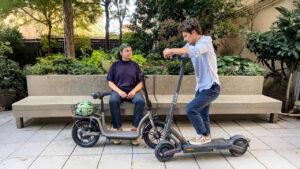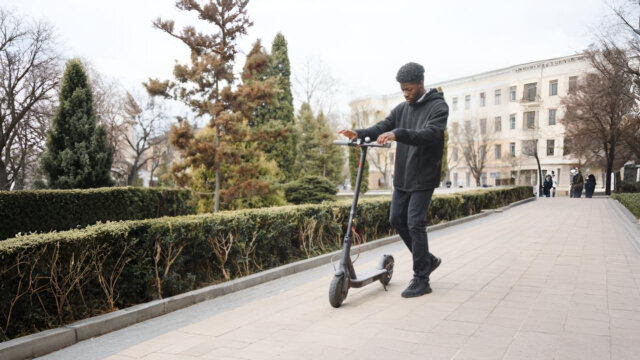
If you’ve spent any time researching electric scooters as a heavy rider, you’ve probably noticed something frustrating: most reviews and buying guides seem written for people who weigh 150–180 lbs. The scooters they recommend? Often maxed out at 220 lbs, maybe 265 lbs if you’re lucky. And when you dig into user reviews from actual heavy riders, you find stories of cracked frames, blown motors, and scooters that barely made it three months before falling apart.
Here’s the uncomfortable truth that most manufacturers won’t tell you upfront: the vast majority of electric scooters on the market simply weren’t designed with riders over 250 lbs in mind. That sleek commuter scooter with the 4.5-star rating? It might work beautifully for a 160 lb rider, but put a 300 lb person on it, and suddenly you’re dealing with sluggish acceleration, terrifying wobble at speed, brakes that can’t stop you fast enough, and a frame that develops stress fractures after a few weeks of regular use.
The Challenge of Finding An E-Scooter as A Heavy-Weight Rider
When you double the rider weight, you don’t just double the stress on the frame, you multiply it across every component. The motor has to work exponentially harder. The battery drains faster. The suspension compresses more. The brakes need significantly more stopping power. The tires wear down quicker. Every bolt, weld, and joint experiences forces they may not have been engineered to handle.
And here’s what makes this particularly frustrating: many manufacturers will slap a “300 lb weight limit” sticker on a scooter without actually reinforcing the components that matter. They’ll test it in a lab under controlled conditions, verify it doesn’t immediately collapse, and call it rated for heavy riders. But laboratory testing doesn’t account for potholes, daily use, temperature variations, and the accumulated stress of real-world riding. That’s why you see so many one-star reviews from heavier riders whose scooters failed catastrophically despite being “within the weight limit.”
But here’s the good news: the landscape has genuinely improved over the past few years. As electric scooters have matured from novelty items to legitimate transportation options, a handful of manufacturers have recognized that riders come in all sizes. These companies have invested in proper engineering, reinforced frames, more powerful motors, advanced suspension systems, and braking setups that can actually handle the physics of hauling a heavier rider in the face of danger.
The challenge is finding these legitimately heavy-duty scooters among the sea of marketing claims. Every manufacturer wants to advertise the highest possible weight limit because it expands their potential customer base. But there’s a massive difference between a scooter that can technically support your weight and one that will do so safely, comfortably, and reliably for years of daily riding.
That’s exactly what this guide is designed to solve. We’re cutting through the marketing noise to focus on scooters that have been genuinely engineered for heavier riders,models with the motor power, structural integrity, suspension quality, and braking capability to support riders approaching or exceeding 300 lbs. Whether you’re a 280 lb commuter looking for reliable daily transportation, a 350 lb rider who needs serious hill-climbing power, or anywhere in between, this guide will help you find a scooter that’s actually built for your needs.
You deserve a riding experience that’s just as smooth, safe, and enjoyable as anyone else’s. Let’s find you the right scooter.
Why Weight Capacity Is Non-Negotiable
Most standard scooters max out around 220–265 lbs. Push beyond that threshold, and you’re not just risking discomfort, you’re compromising your safety.
What happens when you exceed weight limits:
- Frame stress accumulates, leading to structural cracks
- Steering columns weaken, causing dangerous wobble
- Braking distances increase significantly due to higher momentum
- Motors struggle with acceleration and hill climbing
- Battery range drops considerably faster
The reality? A scooter that’s barely rated for your weight is a scooter that won’t last.
What “Heavy-Duty” Actually Means
Marketing teams love throwing around terms like “heavy-duty” and “industrial strength.” Here’s what should actually back up those claims:
Motor performance: Look for 1000W+ motors with high torque output. Dual motor systems excel on hills and provide smooth acceleration even under heavy loads.
Structural integrity: Reinforced frames made from aircraft-grade aluminum or steel, with premium welding at all stress points. The deck should be wide enough to provide stable, comfortable footing.
Suspension quality: Hydraulic or dual-spring suspension systems that genuinely absorb impact rather than just checking a spec sheet box.
Stopping power: Hydraulic disc brakes with large rotors. Your braking system needs to account for the physics of stopping additional weight at speed.
Tire stability: Larger pneumatic or tubeless tires that provide both cushioning and grip across various surfaces.
The Smart Buyer’s Checklist
1. Build in a Safety Buffer
Never max out a scooter’s rated capacity. If you weigh 350 lbs, target scooters rated for 400+ lbs. This buffer accounts for:
- Weight of any cargo or backpack
- Additional forces during acceleration and braking
- Natural component wear over time
- Real-world safety margins beyond laboratory testing
2. Match Power to Your Terrain
Flat urban commutes: A quality single motor (800–1000W) handles city streets efficiently
Moderate hills: Dual motors or 1500W+ single motors provide consistent power on inclines
Steep grades or mixed terrain: You’ll want 2000W+ total output, preferably from a dual motor setup
3. Prioritize Deck and Frame Design
Test stand on the scooter you want to buy. Your feet should fit comfortably side-by-side with room to adjust your stance. The frame should feel solid without any flex or movement when you shift your weight.
4. Don’t Compromise on Brakes
Hydraulic brakes aren’t a luxury feature for heavier riders, they’re essential safety equipment. Look for:
- Front and rear hydraulic disc brakes
- Rotors 140mm or larger
- Electronic brake assist as a backup system
Top Heavy-Duty E-Scooters for 2025
Best Overall Performance
Kaabo King GT Pro
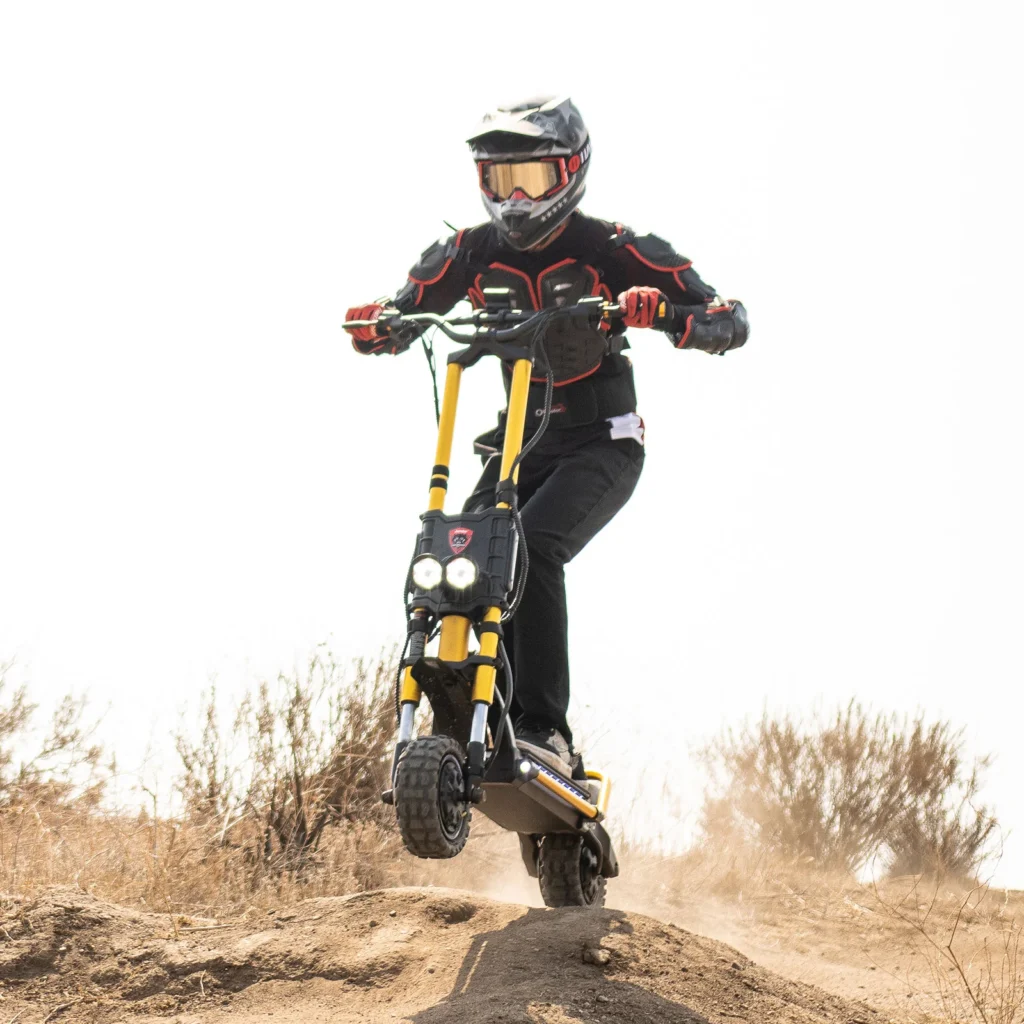
The King GT Pro delivers serious power with its dual motor system, making it capable of handling steep hills and rough terrain with ease. Its robust suspension system and reinforced frame ensure stability for riders approaching 400 lbs.
Strengths: Exceptional power delivery, superior suspension, high maximum speed
Considerations: Premium pricing, substantial weight makes portability challenging
Ideal for: Riders prioritizing performance and willing to invest in top-tier quality
Inmotion RS Midnight
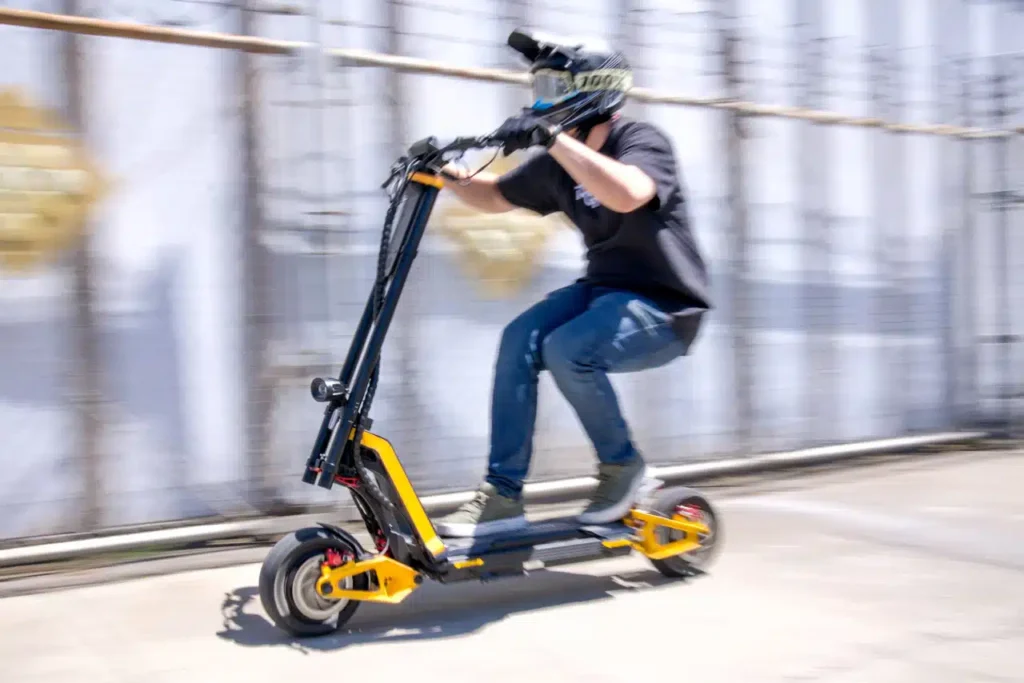
Best for Hills and Long Range
When torque matters most, the RS Midnight stands apart. Its dual motors deliver relentless power on steep inclines, while the large battery capacity ensures you won’t be left stranded on longer commutes.
Strengths: Outstanding hill climbing, impressive range, premium suspension
Considerations: Heavy and bulky, more scooter than most commuters need
Ideal for: Riders facing challenging terrain or requiring maximum range
Niu KQi3 Max
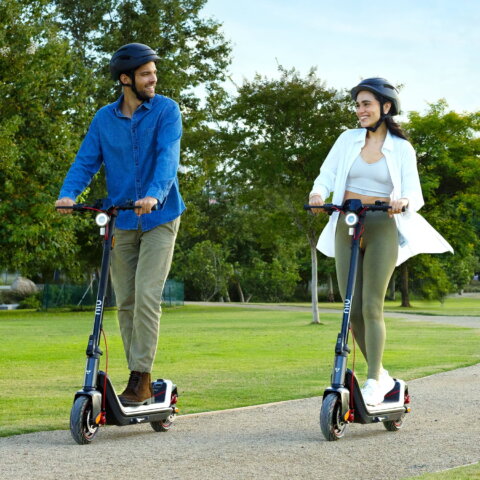
Best Value Commuter
The KQi3 Max proves you don’t need to spend a fortune for reliable performance. Its sturdy frame, capable rear motor, and practical design make it an excellent choice for daily urban riding.
Strengths: Solid build quality, good range for the price, stable platform
Considerations: Basic suspension, struggles on steep hills
Ideal for: Budget-conscious commuters on mostly flat terrain
Inmotion Climber
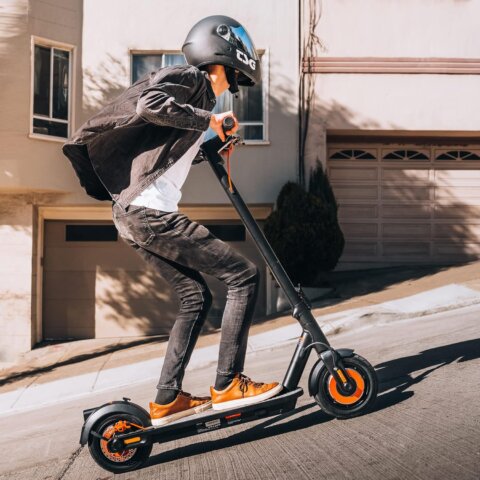
Best Compact Option
Don’t let the compact design fool you,the Climber packs impressive power for its size. Its strong motor handles hills surprisingly well, and the folding design makes it practical for mixed-mode commutes.
Strengths: Excellent hill climbing for its class, portable design, strong value
Considerations: Smaller deck than full-size models
Ideal for: Urban riders who need to carry their scooter regularly
Segway ZT3 Pro
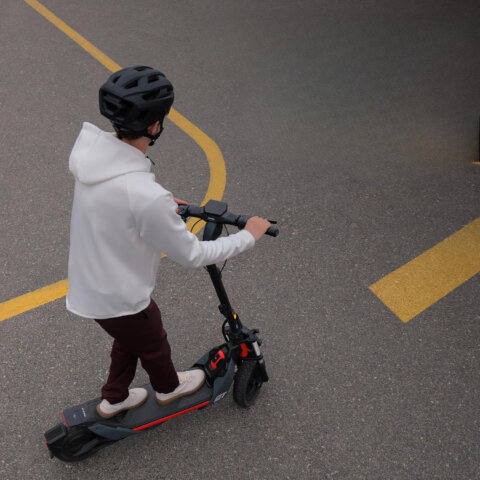
Best for Safety-Focused Riders
Segway’s reputation for quality engineering shines through in the ZT3 Pro. Its emphasis on stability, reliable braking, and thoughtful design details make it a confidence-inspiring ride.
Strengths: Excellent build quality, smooth and stable ride, strong braking
Considerations: Heavier than budget alternatives
Ideal for: Riders who value safety and refinement over maximum speed
Apollo Go
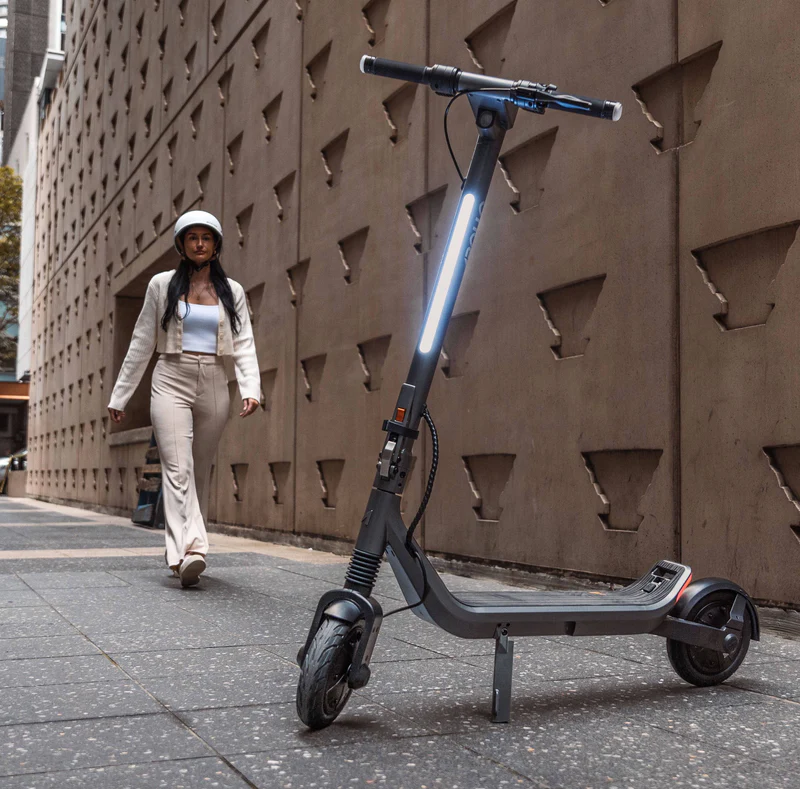
Best Balanced Commuter
The Apollo Go offers a sweet spot between performance and practicality. Its solid range, comfortable ride quality, and stable platform make it a strong contender for daily use.
Strengths: Good range, smooth ride, sturdy deck, reliable performance
Considerations: Not designed for extreme hills, somewhat heavy
Ideal for: Everyday commuters wanting well-rounded performance
Making Your Final Decision
Match the Scooter to Your Reality
Daily distance matters: Longer commutes demand larger batteries and more efficient motors. Factor in that heavier riders consume more power per mile.
Terrain dictates requirements: Flat city streets allow you to prioritize comfort and range over raw power. Hills require serious motor capability. Mixed terrain calls for versatile suspension and tire selection.
Portability vs. power trade-off: The most powerful scooters are also the heaviest. If you navigate stairs or need to lift your scooter regularly, compromise on power for something more manageable.
Budget Wisely for Durability
Cheaper scooters may seem appealing initially, but they often use lower-grade materials that wear faster under heavy loads. Premium scooters built for heavier riders typically feature:
- Higher-quality frames that resist stress fractures
- More robust components that last longer
- Better warranties reflecting manufacturer confidence
- Superior customer support when issues arise
If you ride daily, the extra investment pays dividends in reliability and longevity.
Essential Maintenance for Longevity
Besides general maintenance procedures, e-scooters built for heavy riders require a little extra input. Here’s what else you can do:
Weekly inspections: Check all bolts and fasteners for tightness. Examine tires for proper pressure and wear. Look for any frame stress or unusual sounds.
Tire pressure matters: Underinflated tires increase rolling resistance and risk rim damage. Check and maintain manufacturer-recommended PSI.
Battery care extends lifespan: Avoid deep discharges below 20–25%. Charge after each ride if possible. Store in moderate temperatures when not in use.
Ride smart: Aggressive starts, hard braking, and hitting potholes at speed all accelerate wear on critical components.
Common Questions Answered
Are advertised weight limits actually safe?
Manufacturers typically build in some safety margin, but treat the published limit as exactly that,a limit, not a suggestion. Staying below it extends component life and maintains safety margins.
What if I’m slightly over the rated capacity?
Even exceeding the limit by 20 lbs accelerates component wear, reduces performance, and increases failure risk. The extra stress compounds over time.
Why does my range seem shorter than advertised?
Heavier riders naturally consume more battery power. Manufacturers typically test range with lighter riders on flat terrain. Expect 20–30% less range than advertised specs under real-world conditions.
The right electric scooter transforms from a compromise into genuine transportation freedom. Whether you need the raw power of the Kaabo King GT Pro, the value proposition of the Niu KQi3 Max, or the balanced performance of the Segway ZT3 Pro, there’s a scooter engineered for riders of all sizes.
Focus on actual weight capacity, not marketing promises. Prioritize build quality over flashy features. Choose power appropriate to your terrain. Your investment in the right scooter pays back in reliability, safety, and years of dependable service.